 Labradoodle House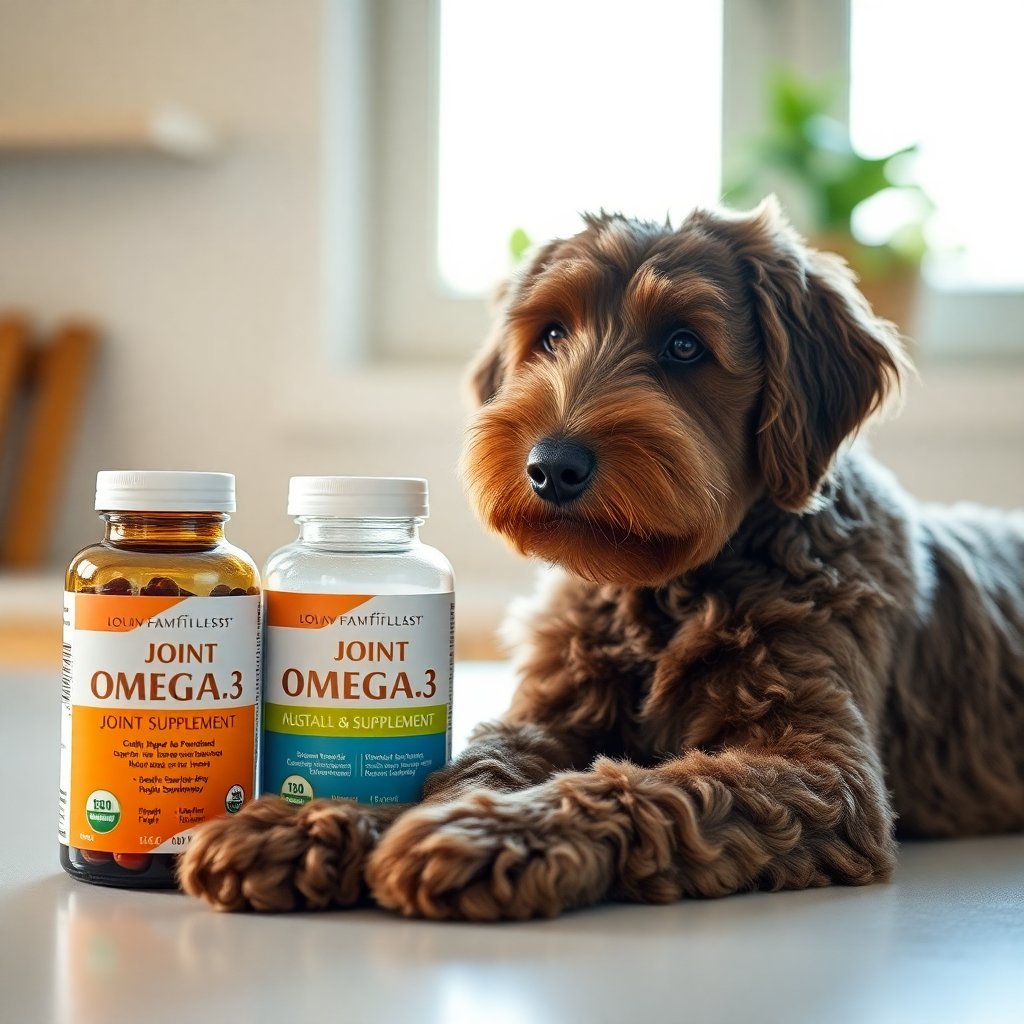
Labradoodles look healthy. They're energetic, bright-eyed, and built sturdy. But the breed has specific health vulnerabilities that most owners don't learn about until they're already dealing with the problem.
The good news: many of the most common Labradoodle health issues are preventable or manageable with targeted supplementation. The supplements in this guide are not "nice to have" extras — they address the specific genetic health risks of this breed.
The Labradoodle Health Profile
To understand why certain supplements matter for Labradoodles, you need to understand the breed's inherited risks:
Hip Dysplasia — Inherited from both the Labrador and Poodle sides. Hip dysplasia is a malformation of the hip joint that leads to arthritis, pain, and mobility issues. It's the most common serious health problem in Labradoodles. Large and giant-size Labradoodles are especially vulnerable.
Skin and Coat Issues — Labradoodles can inherit dry, sensitive skin from both parent breeds. Nutritional deficiencies — especially omega-3 fatty acids — manifest as dry, flaky skin, dull coats, and excessive scratching.
Digestive Sensitivity — Labradoodles frequently have sensitive gastrointestinal systems. Loose stools, gas, and dietary intolerances are among the most common complaints in doodle owner communities.
Progressive Retinal Atrophy (PRA) — A genetic eye condition that can lead to blindness. Antioxidant supplementation may support long-term eye health, though genetic testing before breeding is the primary prevention.
Ear Infections — The floppy, hair-filled ears of Labradoodles trap moisture and debris, making them prone to chronic ear infections. Proper cleaning (not a supplement, but important) and immune support reduce frequency.
The Supplements That Matter
Omega-3 Fatty Acids: The Highest-Impact Supplement
If you give your Labradoodle only one supplement, make it omega-3 fish oil. The impact on coat quality and skin health is dramatic and visible within 4–6 weeks. Owners who start their doodle on omega-3s routinely report the most significant single improvement they've seen in their dog's appearance and comfort.
What omega-3s do:
- Many owners report improved coat shine and skin hydration
- Reduces dry, flaky skin and hot spots
- Decreases overall inflammation in the body
- Supports brain function (especially important in aging dogs)
- Helps regulate the immune response
The key is buying a high-quality product. Cheap fish oil oxidizes quickly and can actually cause harm from the oxidized fats. Nordic Naturals is the gold standard — third-party tested for purity and freshness, sourced from wild-caught small fish (anchovies and sardines) rather than large fish that concentrate heavy metals.
Dose based on your dog's weight. For a 60-pound Labradoodle, approximately 2–3 grams of combined EPA+DHA per day is the therapeutic range. Read labels carefully — the bottle may say "1000mg fish oil" but contain only 300mg of actual omega-3s.
Joint Support: Start Early, Not Late
Most Labradoodle owners start thinking about joint supplements when their dog is already showing signs of stiffness or pain. That's too late for prevention. Joint cartilage doesn't regenerate — once it's gone, you're managing an existing problem, not preventing one.
The evidence-backed joint supplement protocol for large breeds:
- Glucosamine HCI — Supports cartilage maintenance and joint fluid viscosity
- Chondroitin Sulfate — Protects existing cartilage and slows cartilage breakdown
- MSM (Methylsulfonylmethane) — Reduces joint inflammation and pain
Nutramax Cosequin DS Plus MSM is the product most veterinarians specifically recommend. Unlike most pet supplements, Cosequin DS has been through actual clinical trials. It is not the cheapest joint supplement, but it is the one with genuine evidence behind it.
Start at age 2–3 in large and giant Labradoodles, or earlier if there's family history of hip dysplasia in the lineage.
Probiotics: Essential, Not Optional
The frequency of GI complaints in Labradoodles makes probiotics a near-universal recommendation in the community. A healthy gut microbiome:
- Produces firmer, more consistent stools
- Reduces gas and bloating
- Strengthens the immune system (70% of immune function originates in the gut)
- Helps manage food sensitivities
After any antibiotic treatment — which wipes out beneficial gut bacteria indiscriminately — a probiotic course is not just beneficial but essential for recovery of normal gut function.
Look for a product with multiple strains (not just one) and at least 1 billion CFU per dose. Zesty Paws Probiotic uses 6 strains at 3 billion CFU — effective without being extreme.
Multivitamin: Filling the Gaps
No commercial kibble — regardless of price — perfectly meets every nutritional need of every individual Labradoodle. Factors like processing temperature, ingredient quality variation, and individual dog metabolism create nutritional gaps in even the best diets.
A good multivitamin fills these gaps and adds a baseline of immune, digestive, and antioxidant support. The Zesty Paws 5-in-1 is popular because it combines multivitamin with probiotics, digestive enzymes, antioxidants, and immune support in a single soft chew. For owners who find daily supplement administration difficult, this all-in-one approach is practical and effective.
A Note on Anxiety Supplements
Labradoodles can carry anxiety tendencies from their Poodle genetics. Thunderstorm anxiety, separation anxiety, and leash reactivity are common in the breed. For situational anxiety (vet visits, grooming, travel, fireworks), products containing L-Theanine and Colostrum Calming Complex can take the edge off without sedation.
These are not replacements for behavior modification and training — they're tools that reduce anxiety enough to make training and exposure work more effective.
What Supplements Won't Fix
Supplements are part of a complete health picture, not a substitute for it. No supplement compensates for:
- Poor-quality food with inadequate protein and fat
- Overweight status (extra weight accelerates joint deterioration significantly)
- Lack of exercise (muscle maintains joints)
- Delayed veterinary care for actual injuries or disease
Work with your veterinarian on your Labradoodle's full health protocol. Supplements fill gaps and support prevention — they work best alongside, not instead of, comprehensive veterinary care.
Summary
For most healthy adult Labradoodles, the core supplementation protocol is: omega-3 fish oil daily for coat and systemic health, a joint supplement starting in early adulthood for joint health support, and a daily probiotic for digestive stability. A multivitamin-plus product rounds out the routine. Start these early, stay consistent, and your doodle will thank you for years to come.
Frequently Asked Questions
What supplements should I give my Labradoodle?
The three highest-priority supplements for Labradoodles are: (1) omega-3 fish oil for coat quality, skin health, and joint/inflammatory support — the single most visible-impact supplement within 4–6 weeks, (2) a glucosamine/chondroitin/MSM joint supplement starting in early adulthood given the breed's hip dysplasia predisposition, and (3) a daily probiotic for the digestive sensitivity common in Labradoodles. Start these early rather than waiting for problems to appear.
Do Labradoodles need joint supplements?
Labradoodles have an elevated genetic risk for hip dysplasia inherited from both the Labrador and Poodle sides. Glucosamine and chondroitin support joint cartilage health and are most effective as preventive supplementation in early adulthood (1–3 years) rather than starting after problems appear. Large-size Labradoodles are at highest risk and benefit most from early joint support.
What is the best omega-3 supplement for a Labradoodle?
Look for a fish oil specifically formulated for dogs with listed EPA and DHA content. Nordic Naturals Omega-3 Pet and Zesty Paws Pure Wild Alaskan Salmon Oil are well-regarded options with clear labeling. Dosing is weight-based — check the product label. Introduce gradually to avoid digestive upset. The improvement in coat texture, shine, and reduced skin flakiness is typically visible within 4–6 weeks of consistent supplementation.
Can supplements replace veterinary care for Labradoodle health issues?
No — supplements fill gaps and support prevention, but they don't replace comprehensive veterinary care. Hip dysplasia, progressive retinal atrophy, and other breed-specific conditions require proper diagnosis and treatment planning with your vet. Supplements are best thought of as supporting a healthy baseline and potentially slowing the progression of hereditary conditions, not treating active disease.
When should I start joint supplements for my Labradoodle?
The conventional guidance is to start glucosamine/chondroitin in early adulthood (12–18 months) for Labradoodles, especially large-size individuals. Prevention is far more effective than treatment after symptoms appear. Some breeders and owners start even earlier. Discuss with your veterinarian at your first adult checkup — they can recommend dosing based on your dog's size and individual risk factors.
As an Amazon Associate we earn from qualifying purchases. This article contains affiliate links; if you buy through them we may earn a small commission at no additional cost to you.