 Labradoodle House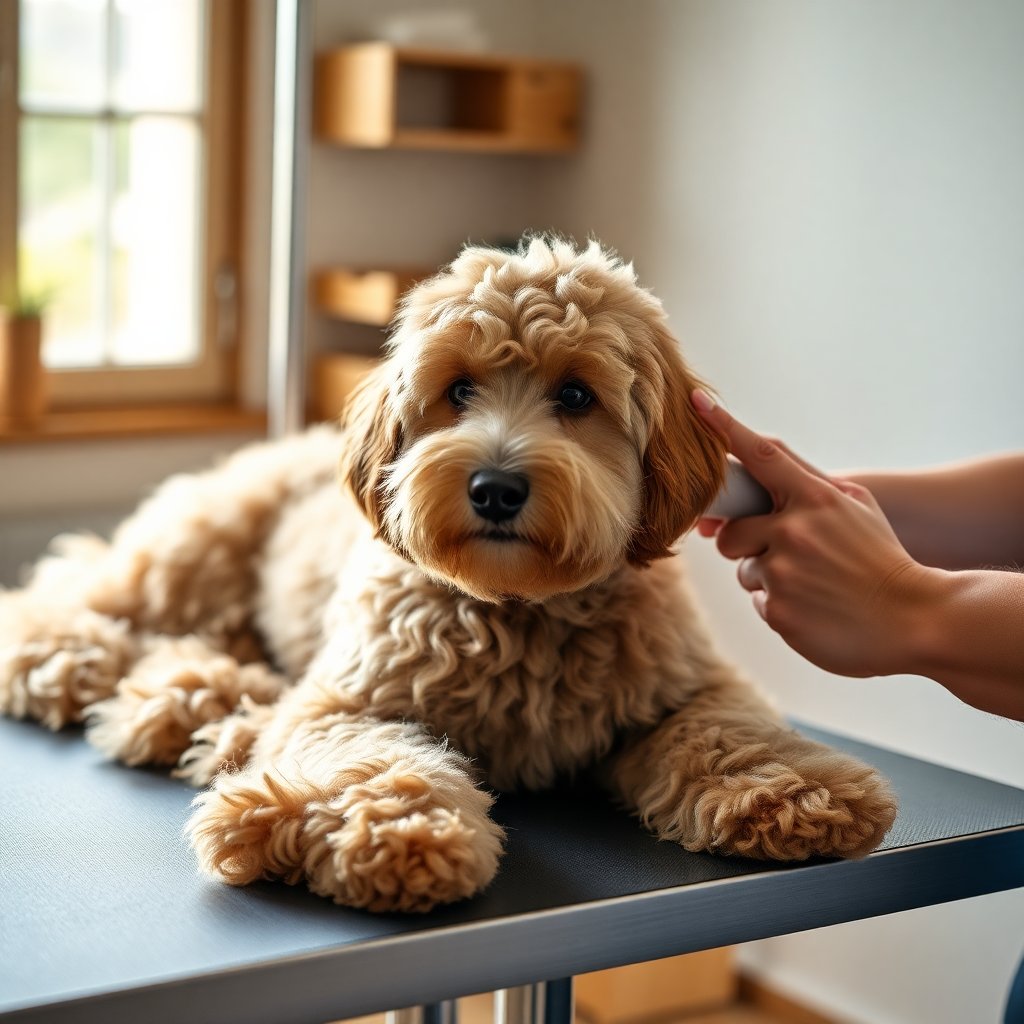
Grooming a Labradoodle is one of the most common challenges new owners face — and one of the most underestimated when they first bring their puppy home. That fluffy, soft puppy coat looks easy to maintain. Then the adult coat comes in, and suddenly you're facing mats, tangles, and grooming appointments that cost $100 or more every 6–8 weeks.
The good news: with the right tools and a consistent routine, you can dramatically reduce mat problems, extend time between professional grooms, and make grooming a low-stress experience for your dog.
Understanding the Labradoodle Coat
Before you can groom your Labradoodle correctly, you need to understand what you're working with. There are three main Labradoodle coat types:
Wavy (Fleece) Coat — The most common type in F1 Labradoodles. Soft, wavy, and somewhat forgiving. Mats form but usually at the skin level and in friction areas (armpits, collar area, behind ears). Weekly brushing generally prevents serious matting.
Curly (Wool) Coat — Common in F1B and later-generation Labradoodles. Tight curls that look stunning but mat aggressively if not brushed every 3–4 days. The curls trap loose hair close to the skin, where it felts into mats if neglected. This coat type requires the most maintenance.
Straight (Hair) Coat — More common in some F1 Labradoodles with more Lab genetics. Easier to groom, lower-maintenance, but less hypoallergenic. Regular brushing and a standard grooming schedule keeps this coat type looking great.
The Essential Grooming Toolkit
Every Labradoodle owner needs four core tools:
-
A quality slicker brush — The Chris Christensen Big G is the community standard. Its long, angled pins reach through thick coats to detangle at the skin level. Generic pet store slicker brushes scratch the surface and miss where mats actually form.
-
A dematting comb — For removing mats that have already formed. The Chris Christensen Mark IX has rotating teeth that glide through tangles rather than ripping. Never try to brush through a dense mat — you'll cause pain and the mat will tighten.
-
A high-velocity dog dryer — This is the tool most owners wish they'd bought sooner. After bathing, a forced-air dryer blows water completely out of the coat and blow-dries it straight as it dries, dramatically reducing post-bath matting. Standard towel-drying leaves the coat damp inside and sets the stage for mats.
-
Grooming scissors — A 5-piece set covering straight, curved, and thinning shears handles face, paw, and sanitary trimming between professional groom visits.
The Brushing Technique That Actually Works
Most owners brush their Labradoodle's outer coat surface and call it done. This is why their dogs mat at the skin level despite being brushed regularly.
The correct technique is called line brushing:
- Lay your dog on their side (train this from puppyhood with treats).
- Part the coat into sections using your free hand.
- Brush in small sections, starting near the skin and working outward.
- Work through the entire body section by section.
- Pay extra attention to friction zones: armpits, under collar, behind ears, inner thighs, and where the harness sits.
Line brushing takes longer than surface brushing, but it's the only method that actually reaches where mats form. Wide, padded straps cause far less coat damage than thin webbing, so a coat-friendly harness matters too — see our guide to the best Labradoodle harness picks for coat-safe options.
The Grooming Schedule
Every 3–4 days (curly coats) or weekly (wavy/straight coats): Full line brushing session with slicker brush. 15–30 minutes depending on coat thickness.
Monthly: Full bath followed by high-velocity blow-dry. Bathing without proper drying is worse than not bathing — wet matted coats tighten.
Every 6–8 weeks: Professional full groom or home trim. Labradoodles need haircuts, not just brushing. Hair that grows past the eyes, ears, paws, and sanitary areas needs trimming.
Daily: Quick check of friction areas. Run your fingers through armpit, collar, and ear areas and catch small tangles before they become mats.
Grooming From Puppyhood
The most important grooming advice: start early and make it positive. Introduce your puppy to grooming tools at 8–12 weeks. Let them sniff the brush. Run it gently over their body for 30 seconds, then give high-value treats. Repeat daily.
Puppies who learn that brushes and dryers predict good things become adult dogs who tolerate — or even enjoy — grooming. Puppies who are restrained and forced through grooming become adult dogs who require two people to hold them down.
The LickiMat is an excellent grooming aid: spread peanut butter on it, suction it to the wall, and let your dog lick while you brush. The licking triggers serotonin release, creating a genuinely calming association with grooming.
When to See a Professional
Even the most dedicated home groomers should book professional grooms every 8–12 weeks. Professional groomers have the equipment and expertise to properly clean, dry, trim, and shape a Labradoodle coat that home tools can't fully replicate.
If your dog has significant matting, don't brush through it — you'll cause pain and skin damage. Take them to a professional for a "dematting session" or, if matting is severe, a close shave-down. Starting fresh is better than a painful battle with mats.
The combination of weekly home brushing and regular professional grooms is the sustainable strategy for every Labradoodle coat type.
Summary
Labradoodle grooming is genuinely high-maintenance — but it's manageable with the right approach. Invest in quality tools (especially a slicker brush and a blow dryer), learn the line brushing technique, maintain a consistent schedule, and start good grooming habits with your puppy. Your doodle's coat will reward the effort. Between grooming sessions, keeping your Labradoodle mentally occupied also helps — see our best toys for Labradoodles guide for top picks that work for the breed.
Frequently Asked Questions
How often should I groom a Labradoodle?
Brush at minimum weekly for wavy (fleece) coats, and every 3–4 days for curly (wool) coats. Professional grooming every 6–8 weeks maintains length and address areas home brushing misses. Start grooming habits as a puppy so your dog builds tolerance — making grooming a positive routine early is far easier than correcting an adult dog who dreads it.
What brush is best for a Labradoodle coat?
The Chris Christensen Big G slicker brush is the community standard among experienced Labradoodle owners — its long, angled pins reach through thick coats to detangle at the skin level where mats actually form. Generic pet store slicker brushes work at the surface but miss the mats developing underneath. A dematting comb (Chris Christensen Mark IX) is essential for mats that have already formed.
How do I remove a mat from a Labradoodle without causing pain?
Never brush through a dense mat — it tightens the mat and causes pain. Instead: hold the mat close to the skin to prevent tugging, apply a detangling spray, and work through the edges of the mat with a dematting comb from the outside in. For severe mats, a sharp seam ripper or scissors used carefully (cut parallel to the skin, never perpendicular) can split the mat before combing. Severe matting may require professional help.
What is a high-velocity dog dryer and do I need one for a Labradoodle?
A high-velocity dog dryer uses forced air (not heat) to blow water completely out of the coat after bathing. Unlike towel-drying, which leaves the coat damp internally and sets the stage for post-bath matting, forced-air drying blows the coat straight as it dries. For Labradoodles — especially curly and wavy coat types — this is one of the highest-impact grooming investments you can make. Models like the K9 II or Flying One are the standard choices.
Can I groom a Labradoodle at home, or do I need a professional groomer?
Home grooming between professional visits is completely achievable with the right tools. Most owners handle brushing, detangling, ear cleaning, and nail trims at home. Professional groomers handle haircuts, full-body clips, and accessing hard-to-reach areas. The optimal approach is home brushing 3–4x per week plus professional grooms every 6–8 weeks. Skipping home brushing and relying solely on professional grooms almost always results in mat-related shave-downs.
As an Amazon Associate we earn from qualifying purchases. This article contains affiliate links; if you buy through them we may earn a small commission at no additional cost to you.